
“Mala tempora currunt”. In the ancient Rome, two thousand years ago, people use to comment this way the present time as bad, opposed to the much better past. The reality is that in all times it has been said that modern times have changed things to the worse. However, the fact that it has always been this way showes that probably it is only a perception.
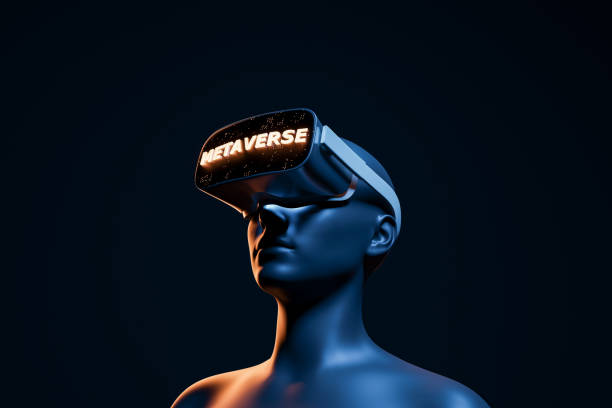
The spark generating this thought is a research conducted in the first half of 2022 by Bain & Company, which showed that 53% of teenagers would rather prefer to receive a holiday in a house in the metaverse rather than in a house on an exotic island. For most of us this appears to be an absurd news, yet it is clear that levels of interest and perception of youngsters are shifting towards a more complex and less “physical” dimension, which lives in places that older people find it hard to even imagine. Anyway, the research appears interesting to understand which could be one of the targets to which the technologies and experiences inherent in this brand new field will be destined, even if it appears frightening from a purely socio-psychological point of view.
Can virtual reality really replace real life, projecting our existence into another space without gravity or smell?
The reasons why younger people prefer the metaverse are mainly to be found in the immersive aspect of virtual worlds, which allows them to be active creators, undisputed protagonists of their own destiny, or of what may seem so, finding refuge from a world, the real one, which is perhaps becoming too difficult and competitive, turning everyday life into an obstacle race. But what if one day, perhaps not too far away, real life and life lived in the metaverse will get too confused, not allowing many young people to understand the difference between the real and the virtual dimension? Probably nothing would happen, we will end up cohabiting with a new type of people: metapeople.
Valeria Bellobono
